
What to Do After an Accident in California to Protect Your Personal Injury Claim
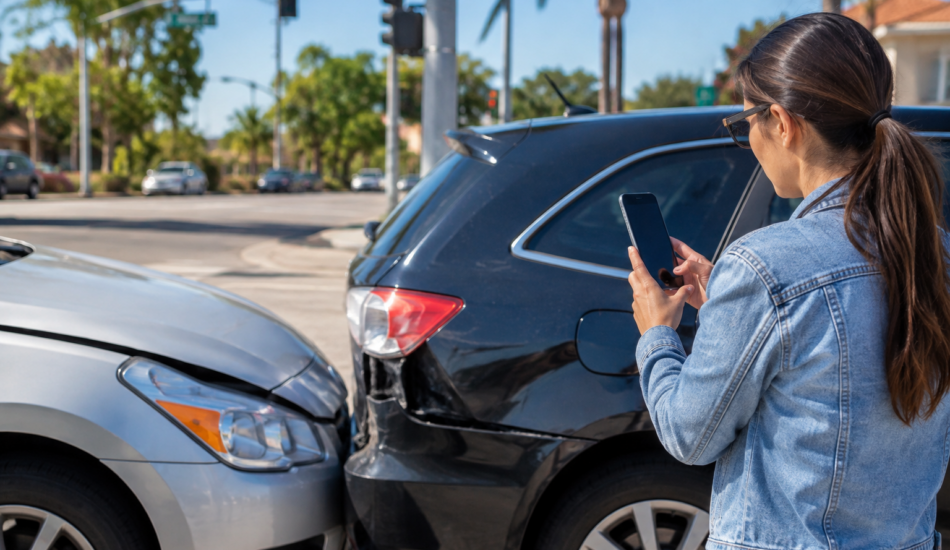
An accident can occur in a split second, but the decisions you make after the accident can impact you for weeks, months, years and beyond. When you are injured, your initial concern is going to be your health, your damaged vehicle, and how you will return to your regular routine. Meanwhile, there are a few measures you can take to protect your legal rights. If you get injured in an auto accident, a fall, or another type of accident that was caused by someone else, having the correct information and evidence can make a huge difference later. The following are some of the steps that you should take after an accident in California.
1. Seek immediate medical attention.
You should take care of your health. If you have severe injuries, dial 911 or seek immediate medical attention. Even if an injury appears to be minor, seek medical attention. There are some injuries that may not have serious effects right away. Problems such as pain or stiffness, headaches or other issues can become more apparent hours or even days after an accident.
Also, obtaining medical help creates a record of your injuries. Your medical records may be useful in determining the onset of your symptoms, the diagnosis of your injuries and the recommended treatment. Follow the prescribed treatment plan and attend follow-up appointments as needed. Maintaining consistent medical treatment may be important for both your recovery and your personal injury case.
2. Report the Accident
Depending on the circumstances and location of the accident, the proper reporting method should be followed. If there has been an injury in a traffic accident, the police may need to be called to the scene, especially if the injury is serious. If you slip at a business, such as a store, restaurant or apartment complex, notify the manager or owner. Ask whether the incident will be documented in an incident report, and if so, how to get a copy.
Reporting an accident establishes a record of the incident. If there is no report, the other party might question later when and how the accident took place.
3. Take Photos and Videos
Evidence can go missing after a car accident. Cars can be towed or repaired. A wet floor can be cleaned up. Broken pavement can be repaired. Video footage may end up being lost. Photos and videos taken as soon as it is safe to do so may help to capture what the scene looked like.
Depending on the type of accident, take photographs of the following:
- Your visible injuries
- Damage to vehicles or other property
- The overall accident scene
- Road and weather conditions
- Traffic signs and signals
- Skid marks or debris
- Dangerous property conditions
- Anything else that may have contributed to the accident
Do not worry about taking perfect photographs. The goal is simply to document as much useful information as reasonably possible.
4. Get Contact Information From Witnesses
Independent witnesses can be valuable when there are differences in opinion as to what actually happened. Ask for the name and contact details of anyone who witnessed the incident. There is no need to spend large amounts of time questioning them at the scene. It will be helpful for your attorney or insurance company to have their information if they need to get in touch with them later.
This can be very useful when there is no video evidence, or when the other party presents a different story.
5. Exchange Information Without Arguing About Fault
If you have had a car accident, give the other driver your contact and insurance information. Don’t get angry or get into an argument about who was at fault for the accident. Not all the details will be clear immediately after the accident. There might be evidence that you don’t know about yet, such as surveillance footage, witness testimony, phone records, vehicle data, etc.
This can be even more complicated when the accident involves a commercial driver or a rideshare vehicle. When Uber, Lyft, or other rideshare companies are involved, questions of fault and insurance coverage may depend on what the driver was doing at the time of the collision. You can learn more in our guide to rideshare accidents and who may be responsible.
6. Save your Expense Records
The initial medical or doctor’s bill is just the beginning of the costs that can result from a personal injury. Begin to gather your accident records. This can include medical expenses, prescription bills, physical therapy bills, transportation expenses, repair estimates, and more.
If your injuries cause you to miss work, be sure to keep a record of the dates you missed work and the amount of income you lost. It’s also advisable to retain copies of any correspondence with insurance companies and other parties involved in the claim. An organized set of records will help you to better understand the financial impact the accident has had on you.
7. Be Careful When Speaking With Insurance Companies
If you speak with insurance companies, be careful. It is possible that the insurance adjuster will call you shortly after the accident and start asking questions. Keep in mind that the insurance company will take the time to investigate the claim before determining what they think should be paid.
Give information as accurately as possible, but don’t guess at facts that are unknown. It is also important to be careful about making statements about the extent of your injuries before you fully understand your medical condition. If a car insurance company provides a settlement in the immediate aftermath of the accident, consider whether you fully understand the extent of your injuries and costs before accepting it.
There are some injuries that need ongoing treatment, and if you accept a settlement, the claim is generally resolved according to the terms of the settlement.
8. Don’t post details about the accident online.
Social media can cause unforeseen issues in a personal injury claim. A photo, comment, location check-in or video may be viewed without the context in which you posted it. For instance, a typical photo of you at a family get-together may be used to raise questions about how your injuries are affecting you.
You don’t have to go off social media, but it’s probably a good idea to avoid posting too much information about the accident, your injuries, negotiations, or your legal case until it’s resolved.
9. Do Not Wait Too Long to Consider Your Legal Options
There are legal time limits for personal injury claims. In many cases, personal injury lawsuits in California must be filed within two years of the injury. But in some circumstances, the rules may be different, and deadlines may be far shorter, including in claims against government entities. There may be other exceptions that influence the calculation of a deadline.
Another problem that comes with waiting is that evidence may become more difficult to collect. Details can sometimes fade from a witness’s memory, surveillance footage may be lost, documents may be hard to find and the physical surroundings at the accident site can change. Talking to a personal injury attorney early can help you understand the deadlines and evidence requirements that may apply to your specific situation.
10. Understand That Being Partly at Fault May Not End Your Claim
Not all accidents are caused entirely by one person. California follows the doctrine of comparative fault. This allows multiple parties to be held responsible based on their share of fault. For instance, if a person who has been injured is partially responsible for an accident, it doesn’t mean that he or she can’t recover compensation. But the person’s share of responsibility may have an impact on the amount they can recover.
Don’t assume that you have no claim just because you believe that you may have played a role in what transpired.
Protecting Yourself After an Accident
The period after an accident can be confusing, particularly when you are trying to cope with injuries, doctors’ visits, insurance companies and unanticipated costs. There are a few steps you can take to protect yourself. Get the right medical care, report the accident, collect evidence, maintain records, and avoid statements or agreements that may impact your case.
Each accident is unique, and California personal injury laws and deadlines may vary based on a person’s circumstances. A good personal injury lawyer can assist you in understanding your rights, options, and what to do next if you have been injured due to another person’s negligence.
Do You Need Advice From
A Professional Attorney
"*" indicates required fields