
What Happens if One Spouse Refuses to Sign Divorce Papers in California?
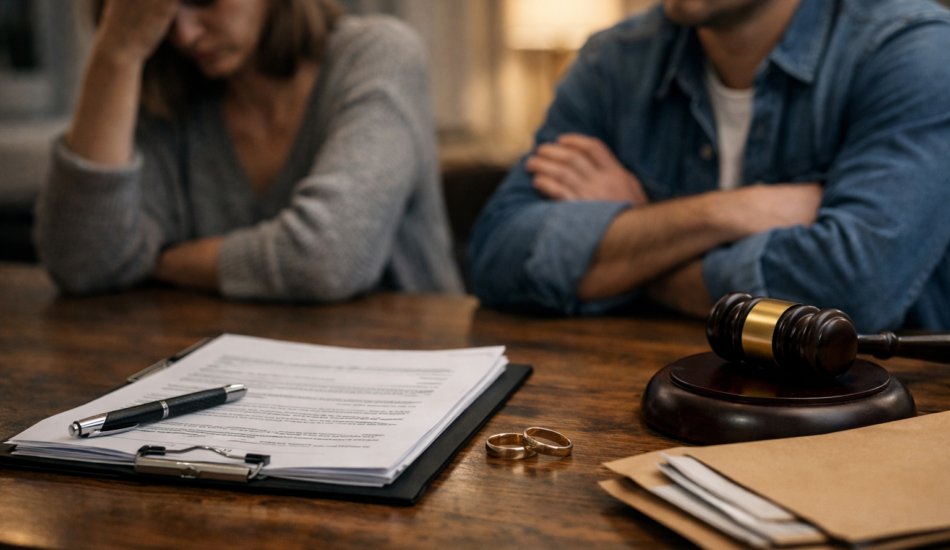
In California, understanding divorce papers is important because even if your spouse disagrees with the divorce, the process can still move forward. State law allows one person to proceed without the other party’s consent, ensuring that no individual can block the divorce entirely.
This article will explain what occurs when a spouse does not sign divorce papers, the legal options you have available at the time, and how the law in California moves forward through divorce.
Understanding Divorce Laws in California
California is a no-fault divorce state, meaning you don’t have to prove that your spouse did anything bad to get a divorce. Under this legal framework, the only basis that can be used for a dissolution of marriage falls under what is referred to as “irreconcilable differences”, meaning, that the relationship has broken so drastically that it cannot be saved or reconciled and no amount of effort to fix things will ease the separation.
California law ensures that one spouse cannot block a divorce simply by refusing to sign the necessary paperwork. As long as proper legal procedures are followed, the court can grant a divorce even if one spouse does not cooperate. In short, unsigned papers or delays cannot prevent the divorce, eventually, the marriage will be legally ended.
Do Both Parties Sign Divorce Papers in California?
Maybe one of the most common questions that people struggle with is “Do both parties have to sign divorce papers in CA?” The short answer is “No”. With respect to the situation of an uncontested divorce, it is correct that both spouses can agree and sign documents necessary for a divorce to take place; However, according to current law, there is no requirement for both people to have to sign certain documents in order for a marriage dissolution/termination.
Generally, the dynamics are one of two very different situations:
Contested Divorce
If one spouse refuses to sign or challenges the terms, this is considered a contested divorce. We can invoke the court here to decide disputes and finalize the divorce.
Uncontested Divorce
In an uncontested divorce, both spouses agree on all major issues that directly relate to the divorce, such as:
- Property division
- Child custody
- Child support
- Spousal support
Divorce proceedings go more quickly and at a lower cost if both parties cooperate and sign.
Your Spouse Doesn’t Respond to Divorce Papers
Alt Attribute: Person looking frustrated while waiting, with unopened divorce papers on a table
Your partner will need to be served the divorce documents, and if they choose not to sign or respond in kind, a default divorce may be granted by the court.
The responding spouse in California usually has 30 days to file a response once he or she receives those divorce documents.
If they do not respond within this period, the filing spouse can move for a default with the court.
What Is a Default Divorce?
Default divorce: One spouse does not participate in the legal process. In this situation:
- The spouse who is filing submits the necessary paperwork.
- The court reviews the case.
- The spouse who isn’t participating has no input before a judge finalizes the divorce.
- Judges usually make decisions based on information received from the spouse who filed.
However, the court carefully reviews the paperwork to ensure that the proposed terms are fair and comply with California law.
Who Can Serve Divorce Papers In California?
An important step in the divorce process is serving the papers, formally notifying the other spouse of the filing. California law requires that divorce papers be delivered through a process called service of process.
Typically, divorce papers can be served by:
- A professional process server
- A county sheriff
- Any adult (18 or older) who is not a party to the case
How Long Does High-Net-Worth Divorce Take?
Even if the process is smooth, divorce always takes time in California.
The soonest that the marriage can be legally ended is six months from the day of service of the divorce papers in your state.
If the spouse refuses to sign or disputes the terms, it may take longer because of hearings, negotiations, or a ruling by a judge.
Can I Stop My Spouse From Getting Divorced By Not Signing
The short answer is no.
The short answer is no. In California, a spouse cannot prevent a divorce simply by refusing to sign the papers. The law acknowledges that marriages can break down beyond repair, and it allows one person to legally end the marriage.
But if you refuse to sign, there can be:
- A contested divorce
- Additional legal costs
- Longer timelines
- Court interventio
Why Some Spouses Refuse to Sign Divorce Papers
While refusing to sign cannot stop a divorce, it happens fairly often. Common reasons include:
- Emotional denial that the marriage is over
- Desire to delay the process
- Property or financial disputes
- Child custody disputes
- Showing leverage in negotiations
Although these situations may make it more complicated, the legal system has tools to ensure that the divorce continues. It’s important to remember that in California, refusing to sign divorce papers does not stop the divorce from moving forward. In this no-fault divorce state, one spouse can file and continue with the divorce regardless of the other’s wishes. If a spouse refuses to sign, the divorce may become contested, or the filing spouse can seek a default judgment. California law ensures that the process is conducted properly, giving both parties a fair opportunity to participate in the proceedings.
FAQs
1. What If Your Spouse Absolutely Refuses to Sign the Required Paperwork?
The answer is yes, one spouse can still obtain a divorce in California, even if the other refuses to sign or respond to the filed paperwork.
2. If My Spouse Doesn’t Respond to Divorce Papers in California, What Does It Mean?
If your spouse does not respond within the 30 days allowed, you can file for a default judgment. This is a legal representation to the fact that the court will move forward with finalizing the divorce proceedings without their input or consent, thus permitting you to continue on with dissolving the marriage without your spouse.
3. In the State of California are Both Parties Required to Sign Papers for a Divorce?
The answer is no. Although it is possible to have both parties sign on the dotted line in contested divorces, be aware that the court can still decree your divorce if one individual’s signature is missing.
4. Who is Allowed to Serve Divorce Papers in the State of California?
Anyone who is at least 18 years of age and not a party to the case can serve divorce papers. This person can be a professional process server, sheriff or any adult who is competent enough to deliver the documents.
5. How Long Does it Take to Finalize a Divorce in California?
California has a waiting period of at least six months from the date divorce papers are served before his or her divorce can be finalized.
Conclusion
Understanding your legal rights and the step-by-step divorce process can significantly reduce stress during this difficult time and help ensure the proceedings go as smoothly and efficiently as possible.
Consult with an experienced California family law attorney today to guide you through the process, protect your rights, and help finalize your divorce efficiently. Schedule a consultation now to get the support you need.
Do You Need Advice From
A Professional Attorney
"*" indicates required fields

© Copyright 2026 Family Law Lawyers. All rights reserved.