
Rideshare Accidents: Who Is Responsible?
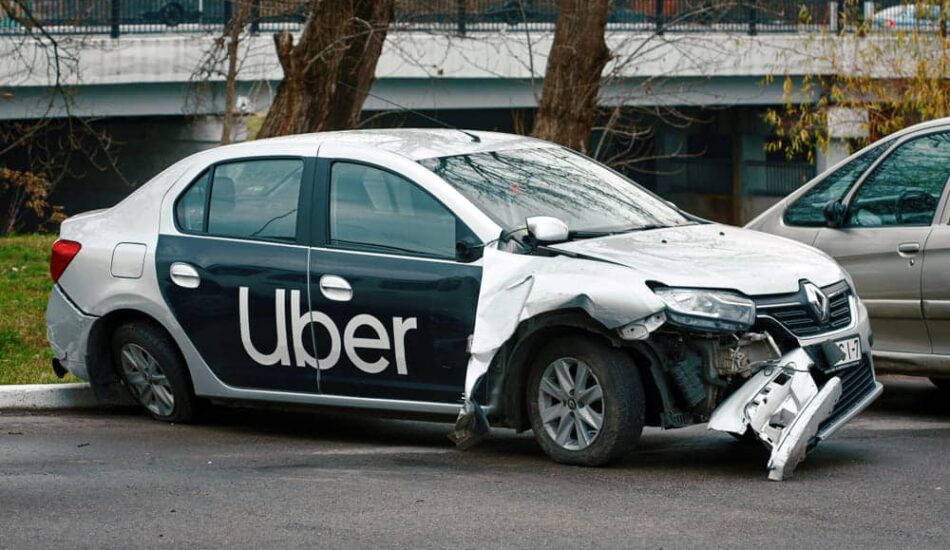
Ridesharing companies like Uber and Lyft has taken most cities in the world by storm. No need to own a car anymore, you just need one of these companies for rides from here to there. But as more people are using ride sharing to get around, crashes involving those kinds of cars have also risen. Rideshare accidents are confusing because it is not always obvious who is liable for damages. If you’ve been hurt in a rideshare accident, or if you are a rideshare driver being sued for an accident, it’s crucial to know who is at fault.
What Are Rideshare Accidents?
Rideshare accidents are a type of car accident that occurs when a rideshare driver is either taking a customer to their destination, waiting for a ride request, or driving to the location where the next passenger will be picked up. These incidents could also involve other vehicles such as pedestrians and cyclists. And they can lead to injuries, property damage or in the most extreme cases, death.
Insurance and liability can be confusing in such cases because rideshare drivers typically aren’t employees but independent contractors. Identifying the party at fault allows victims to receive fair compensation for injuries and damages.
Who is Liable in a Rideshare Crash?
There are multiple potential parties to blame for ridesharing accidents. Who is responsible has to do with when and how the accident occurred. Here are the key players who might be involved:
1. The Rideshare Driver
The driver is usually the first candidate to be blamed. Even if the driver is responsible, it might not be a solely liable situation for the rideshare company. A driver could only found guilty when they were:
- Overspeeding
- Usage of cellphone while driving
- DWI (driving while intoxicated) or DUI (driving under the influence of alcohol or drugs)
- Not following proper traffic rules
Even though rideshare drivers are independent contractors, they still have a duty to drive safely. If they break this duty and cause an accident, they can be held liable.
2. The Rideshare Company
Rideshare companies, like Uber and Lyft, provide the platform for drivers and passengers. They usually have insurance policies that cover accidents involving their drivers. Responsibility depends on whether the driver was logged into the app and whether they were available to accept rides.
Rideshare companies typically have different coverage based on the driver’s status:
- Driver offline: The company usually has no coverage when the driver is not using the app. The driver’s personal insurance is the primary coverage.
- Driver waiting for a ride request: Companies may provide limited coverage. This usually covers liability but may not cover injuries to the driver.
- Driver en route or with a passenger: The company’s insurance is usually the primary coverage and can cover both liability and medical costs.
Because of this, liability in rideshare accidents may involve both the driver and the company.
3. Other Drivers
In a number of rideshare accidents, the fault may lie entirely or partially on the other driver. If another driver crosses a red light, drives aggressively or is distracted can be responsible for any damage they may cause.
Sometimes, accidents involve multiple parties. Liability could potentially fall on the rideshare driver, the rideshare company and/or the other driver. In those cases, insurance companies might argue over who is responsible for what.
4. Third Parties
In some circumstances, other parties may also be to blame. For example:
- A car manufacturer if the vehicle has a defect
- A city or town if poor road conditions led to the accident
- A pedestrian or cyclist (if their behaviour was a contributing factor in the collision)
There is a lot of different factors to consider when finding out who is responsible for a rideshare accident.
Insurance in Rideshare Accidents
The insurance that covers such injury is central to figuring out who ought to be responsible. Rideshare drivers typically have personal auto insurance, but that coverage often does not cover accidents when they are working. In rideshare, the companies offer secondary insurance for such ride.
This is how rideshare insurance usually operates:
- Personal insurance: Provides coverage for accidents when the driver is not working, but instead using their car for personal use (not rideshare).
- Rideshare company insurance: Kicks in after the driver logs into the app, but is waiting to be connected with a passenger, or is driving someone.
- Uninsured or underinsured motorist coverage: Covers a passenger if another driver involved in the accident doesn’t have enough insurance.
Understanding which insurance to file on can assist victims in obtaining compensation for medical costs, lost income and property damage.
Determining Responsibility in Rideshare Accidents
To determine liability in a rideshare accident, investigation is often necessary. Key factors include:
- The driver’s time and status at the moment (whether he/she was offline, idle, or carrying a rider).
- Driver’s actions: Were they driving in a safe manner and abiding by traffic laws?
- Other driver actions: Was another driver who was acting recklessly or negligently?
- Evidence related to the crash: Police reports, eyewitness accounts (including those of drivers involved in other crashes), dashcam videos and app data might help determine fault.
Because liability can be complex, victims often require legal advice in order to deal with insurance claims and potential lawsuits.
What To Do After Rideshare Accidents
If you are in a rideshare accident, do the following:
- Go to a doctor: Your health is everything. Even if the injuries seem minor, get checked by a doctor.
- Report the accident: Call your local police and obtain an official report.
- Document: Document the scene, your injuries and any damage to your vehicle by taking photographs.
- Contact the rideshare company: Report the accident in-app as soon as possible.
- Call your insurance provider: Even if the rideshare company’s insurance is on the hook for the accident, let them know it happened.
- Speak with an attorney: An experienced rideshare accident lawyer can help to establish who is at fault and fight for your rights.
Common Questions About Rideshare Accidents
Can Passengers Be Held Responsible?
Typically, passengers are not to blame for accidents unless they distract the driver in some way that clearly leads to a crash. For instance, reaching out for the steering wheel or obstructing the driver physically could render that passenger partly responsible.
What If the Driver Is Uninsured?
Rideshare corporations typically offer insurance, but those policies often come with their own limitations. In the event that the driver does not have personal insurance or carry enough coverage, then the insurance provided by the rideshare company may possibly apply for damages to third parties and passengers.
How Long after an Accident Can You File a Claim?
Each state has its own statute of limitations for filing a personal injury claim after an accident. It ranges from 1 to 6 yearsin the US.
Conclusion
Rideshare accidents can be complicated. The blame could potentially lie with the rideshare driver, with the rideshare company, other drivers, or a third party. Who the insurance covers depends on who is driving and what kind of accident occurred.
If you are in a rideshare accident, get medical attention, gather evidence, report the incident, and contact an attorney. Knowing who is at fault will help you make sure that you receive full compensation for your injuries and any damage caused.
Rideshare accidents can be scary, but understanding your rights and the potential liabilities of each party involved in an accident can help put a clearer picture on these complicated scenarios. Of course, you should always act as a safe driver when working in rideshare and also be on the lookout for safety as a passenger.
Do You Need Advice From
A Professional Attorney
"*" indicates required fields

© Copyright 2026 Family Law Lawyers. All rights reserved.